
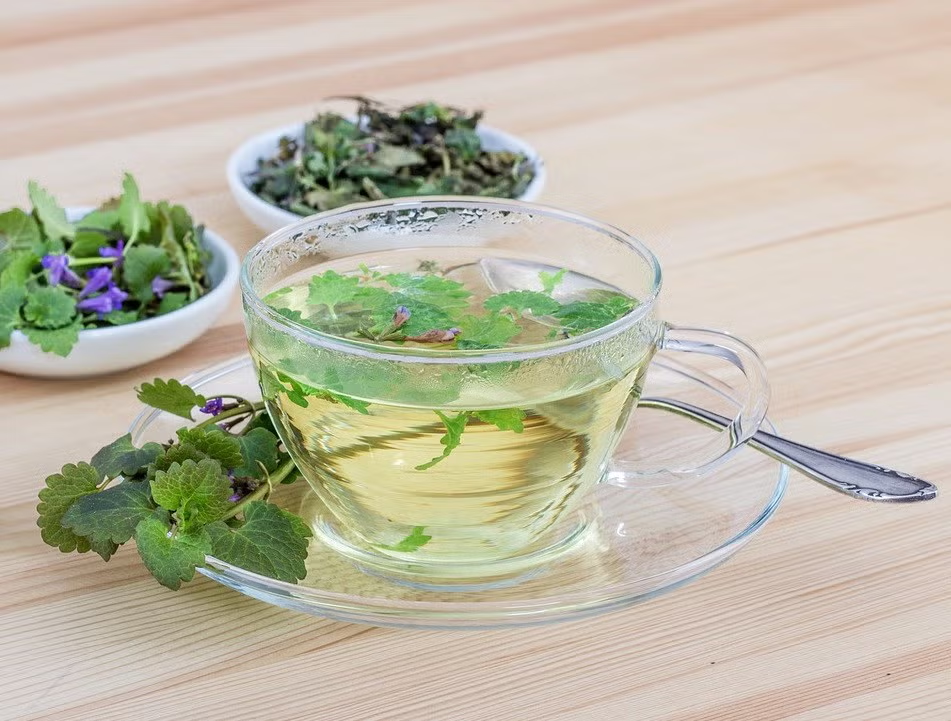
In today’s fast-paced world, where screen time dominates evenings and stress often lingers into the night, achieving deep, restorative sleep can be a challenge. Many people turn to natural remedies to support better rest and relaxation without relying on pharmaceutical sleep aids. Among these remedies, herbal teas and dietary supplements have gained popularity for their calming effects on the body and mind. When chosen wisely, they can create a peaceful bedtime ritual that prepares the body for rest and eases mental tension, helping to promote a more restful and consistent sleep.
Why Natural Remedies for Sleep Are Gaining Popularity
More individuals are becoming aware of the side effects and potential dependency risks of prescription sleep medications. As a result, there is a growing interest in plant-based alternatives that offer a gentler way to encourage rest. Natural sleep remedies like herbal teas and dietary supplements typically have fewer side effects and are considered safer for long-term use. They also promote a holistic approach to health, addressing not just sleep issues, but also the underlying stress and anxiety that often cause them.
Herbal remedies tend to work with the body’s natural rhythms rather than overriding them. They support the parasympathetic nervous system, which controls rest and digestion, helping the body shift from a state of stress to one of recovery. Over time, incorporating these natural tools into your evening routine can lead to more consistent, higher-quality sleep.
The Role of Herbal Teas in Promoting Relaxation
Herbal teas have long been used as a gentle and effective way to unwind at the end of the day. The act of sipping a warm, aromatic cup of tea signals to the brain that it’s time to slow down and relax. The warmth soothes the digestive system and encourages physical stillness, while the herbs themselves work biochemically to calm the nervous system.
Many herbal teas are naturally caffeine-free, making them suitable for nighttime consumption. When brewed properly and consumed about 30 to 60 minutes before bed, they can help reduce anxiety, ease muscle tension, and quiet a racing mind. Beyond their medicinal qualities, herbal teas also offer sensory comfort. The scents, flavors, and warmth all contribute to a ritual that promotes psychological relaxation.
Chamomile: A Soothing Classic
One of the most well-known herbs for sleep support is chamomile. Often called “nature’s tranquilizer,” chamomile has mild sedative effects and has been used for centuries to calm the mind and promote restful sleep. It contains an antioxidant called apigenin, which binds to receptors in the brain that may help reduce insomnia and induce sleepiness.
Chamomile tea is gentle enough to be used regularly and is often recommended for people who are sensitive to stronger herbs or medications. Beyond sleep, chamomile is also known for supporting digestion and easing tension, making it an ideal choice for unwinding after dinner.
Valerian Root: Deep Support for Troubled Sleepers
Valerian root is one of the most studied herbal remedies for sleep disturbances. Often used in supplement form, valerian helps reduce the amount of time it takes to fall asleep and can improve sleep quality. It works by increasing the level of gamma-aminobutyric acid (GABA) in the brain, a chemical that calms nerve activity and helps promote relaxation.
Though it can have a stronger aroma and taste compared to other herbs, valerian is highly effective, especially for those dealing with chronic stress or anxiety. Some people may prefer to take it in capsule form due to its pungent smell, but it is also available in certain tea blends designed for deeper sleep support.
Passionflower: Gentle Support for the Overactive Mind
Passionflower is another calming herb commonly used in nighttime teas and supplements. It is particularly effective for people who struggle with anxious thoughts or mental overactivity at bedtime. Like valerian, it helps increase GABA levels, resulting in a calming effect on the brain.
Passionflower is often included in herbal blends aimed at supporting relaxation without excessive sedation. It’s a great choice for those who want to feel calm but not groggy, making it suitable even on nights when you don’t plan to go to sleep immediately after taking it.
Lemon Balm: Uplifting and Calming
Lemon balm, a member of the mint family, has both mood-enhancing and calming properties. It’s often used to reduce anxiety, improve mood, and promote better sleep. Its mild, pleasant flavor makes it a popular ingredient in nighttime teas.
Research shows that lemon balm can help reduce restlessness and irritability, particularly when combined with other calming herbs like chamomile or valerian. It can be especially beneficial for people whose sleep issues are connected to emotional stress or mild depression.
Lavender: Aromatic Calm in a Cup
Lavender is most famous for its soothing scent, but it also offers powerful calming effects when taken as a tea or supplement. Lavender tea is known to relieve anxiety, improve mood, and promote more restful sleep. Its sedative properties are gentle and ideal for people who want to establish a nightly ritual that is both comforting and therapeutic.
Some teas blend lavender with other herbs like mint or chamomile to create a deeply relaxing experience. Its aroma alone is known to reduce heart rate and blood pressure, both of which contribute to a calmer state conducive to falling asleep.
Magnesium: A Nutrient That Supports Sleep Naturally
Magnesium isn’t an herb, but it’s one of the most critical nutrients for relaxation and sleep. It plays a key role in supporting nerve function and regulating melatonin, the hormone that controls sleep-wake cycles. Magnesium supplements are often used to address sleep disturbances caused by anxiety, muscle cramps, or hormonal changes.
Magnesium glycinate or magnesium citrate are commonly used forms for promoting sleep and relaxation. These supplements can help relax muscles, reduce cortisol levels, and calm the nervous system. Taking magnesium in the evening, either as a capsule or dissolved in warm water, can support better rest without causing drowsiness during the day.
Melatonin: A Natural Sleep Hormone
Melatonin is a hormone naturally produced by the pineal gland in response to darkness. It signals the body that it’s time to sleep. For some people—especially those dealing with jet lag, shift work, or circadian rhythm disorders—melatonin supplements can help reestablish regular sleep patterns.
It’s important to use melatonin strategically and in low doses to avoid disrupting your natural sleep-wake cycle. Taking it 30 to 60 minutes before bed can help cue your body that it’s time to wind down. Unlike herbs, melatonin does not promote relaxation but rather sets the biological stage for sleep.
Creating a Nighttime Ritual That Works
The effectiveness of herbal teas and supplements increases when they’re part of a consistent bedtime routine. The act of preparing tea, dimming the lights, and avoiding screens creates a sequence of cues for the body to relax. Adding a calming supplement when needed can enhance this process.
Rather than looking for a single miracle cure, it’s more helpful to think about nighttime wellness as a series of supportive steps. Teas soothe the senses, supplements work at the biochemical level, and your environment reinforces the cues. Together, they form a natural and gentle path to more restful nights.
Conclusion
Herbal teas and natural supplements can be a gentle, effective way to support sleep and reduce nighttime anxiety. Whether you’re drawn to the floral calm of chamomile, the deeper relaxation of valerian, or the mood-lifting properties of lemon balm, there’s an option that can work for you. When paired with mindful evening habits and a sleep-friendly environment, these natural remedies offer a powerful path toward deeper rest and better overall well-being.
Questions That Are Often Asked
Which plant teas help you sleep and calm down the most?
Chamomile, valerian root, passionflower, lemon balm, and lavender are some of the best plant teas for helping you relax and sleep. There are calming effects in all of these herbs that can help you feel better and fall asleep faster.
When is the best time to drink green tea before bed?
An hour to two hours before bed is the best time to drink green tea. This gives your body time to take in the chemicals that make you feel better and helps you relax as part of your bedtime routine.
Can I mix different kinds of plant tea to get better results?
Indeed, people often combine chamomile, lemon balm, and lavender in their nighttime tea mixes to enhance their effectiveness. Always make sure the mix is safe, and unless told to, don’t use too many strong herbs like valerian.
Are there any negative effects that come from plant teas or sleep aids?
Most herbal teas are safe to drink every day, but strong herbs like valerian root can make some people sleepy or upset their stomach. Test your body by taking a small amount at first. Talk to your doctor if you are pregnant, nursing, or taking any medicines.
Is it okay to take plant vitamins along with prescription sleep aids?
You should talk to your doctor before taking plant vitamins along with prescription sleep aids. Some herbs can combine with medicines and make them less effective or cause unwanted side effects.
What is the difference between plant drinks and sleep aids?
Herbal drinks can help you relax gently and can be a beneficial thing to do before bed. Capsules and liquids may have a greater impact because they contain more sleep-inducing chemicals.
How long does it take for medicines made from plants to work?
Some plant treatments work in 30–60 minutes, while others may need to be used every night for a few nights in a row to fully work. The way your body reacts can be different based on the herb you use.
Can melatonin be taken with herbal teas?
Melatonin can be taken with herbal drinks, but consult your doctor first, especially if you’re taking other vitamins or medicines.
Is drinking tea before bed harmful because it makes you drink a lot of water?
If drinking tea wakes you up at night to go to the bathroom, try drinking less of it or drinking it earlier in the evening. Choose a smaller cup and stay away from other drinks right before bed.
Can I use these all-natural cures every night?
Yes, most plant drinks and mild vitamins can be used every night, especially if they are part of a regular practice. But it’s best to switch things up or take short breaks every so often to keep your body from getting used to it and to see how it reacts.