Planning your meals can feel like a daunting task, but it’s one of the most effective ways to maintain a healthy diet, save time, and reduce stress throughout the week. Whether you’re looking to meet specific nutritional goals or simply spend less time worrying about what’s for dinner, meal planning is the key to a balanced and nutritious lifestyle.
This guide will teach you how to assess your nutritional needs, design a balanced weekly menu, shop smarter, prep efficiently, and store meals safely. By the end, you’ll have all the tools to enjoy healthy, stress-free meals every day.
Assessing Your Nutritional Needs
Before jumping into meal planning, it’s essential to understand your body’s unique nutritional requirements. A solid foundation ensures your meals not only taste great but fuel your body properly.
Understand Your Goals
Are you aiming to lose weight, gain muscle, or maintain your current health? Your nutritional needs will vary depending on your goals. For example:
- Weight loss: Focus on calorie control, lean proteins, and high-fiber foods.
- Muscle gain: Incorporate more protein and complex carbohydrates.
- General health: Aim for a well-rounded diet with a mix of macronutrients (proteins, carbs, fats) and micronutrients (vitamins, minerals).
Consult Professional Resources
If you’re unsure about your nutritional needs, tools like MyPlate or consultations with a registered dietitian can help you calculate your daily calorie and nutrient goals.
Know Your Preferences & Restrictions
It’s important to factor in personal preferences, food allergies, and dietary restrictions. For instance:
- Gluten-free or lactose-free?
- Vegetarian or vegan?
- Any specific dislikes (because meal planning should include food you enjoy)?
Creating a Balanced Weekly Menu
Once you know your needs, it’s time to design a menu that’s both nutritious and achievable.
Follow the Plate Method
The plate method is an easy way to visualize balance on your plate:
- 50% Vegetables: Aim for variety in color and texture. Think leafy greens, peppers, and zucchini.
- 25% Protein: Opt for lean meats, tofu, eggs, or legumes.
- 25% Whole Grains or Starchy Veggies: Include quinoa, brown rice, or sweet potatoes.
Mix Things Up
Variety is the spice of life! Rotate different proteins, vegetables, and grains to avoid monotony and ensure a range of nutrients. Example:
- Monday: Grilled chicken, roasted broccoli, quinoa
- Tuesday: Salmon, spinach salad, baked sweet potato
Plan for Leftovers
Save time by doubling dinner recipes to have easy grab-and-go lunches throughout the week.
Smart Shopping Strategies for Meal Planning
A well-planned grocery list can simplify shopping, save money, and prevent food waste.
Start with Your Menu
Using your weekly menu, create an itemized grocery list that includes all the ingredients you’ll need.
Organize by Store Sections
Group your list by categories (produce, meats, dairy, pantry staples) to streamline your trip.
Buy in Bulk
Stock up on long-lasting items like grains, beans, and frozen vegetables. These staples can be used across multiple meals.
Don’t Shop Hungry!
Shopping on an empty stomach increases the likelihood of impulse purchases that don’t align with your meal plan.
Prep Day: Efficient Cooking Techniques
Meal prepping doesn’t have to take all day. With the right techniques, you can maximize efficiency and minimize effort.
Set Aside Time
Dedicate a specific day to prep your meals. Sunday or Monday usually works well for most people.
Batch Cooking
Cook large quantities of versatile items like grilled chicken, baked vegetables, or rice, which can be used in multiple recipes throughout the week.
Invest in Quality Tools
Keep essentials like sharp knives, nonstick pans, and baking sheets on hand to make your prep work smoother and faster.
Assemble Meals Early
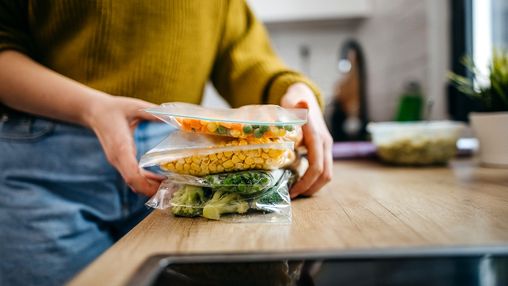
Consider assembling meals into grab-and-go containers for things like overnight oats, salads, or stir-fries. These ready-to-eat options can save you time during busy weekdays.
Storing and Reheating Your Meals
Proper storage and reheating techniques are the final steps to ensure your prepped meals stay fresh and delicious.
Storage Tips
- Use airtight containers: Helps preserve freshness and prevent spills.
- Labeling: Add labels with dates, so you know what to eat first.
- Freeze smartly: Freeze soups, stews, and cooked grains in portions for longer preservation.
Reheating with Care
- Microwave: Add a small splash of water to keep rice and pasta from drying out.
- Oven: Low temperatures help maintain texture for roasted veggies or meats.
Here’s a quick guide to how long you can store prepped meals:
|
Type of Food |
Refrigerator (Max) |
Freezer (Max) |
|---|---|---|
|
Cooked Vegetables |
3–4 Days |
2–3 Months |
|
Cooked Proteins |
3–4 Days |
2 Months |
|
Cooked Grains |
4–5 Days |
3–4 Months |
| Soups/Stews | 3–4 Days | 3–4 Months |
Enjoy a Healthier, Stress-Free Week
Meal planning is a game-changer. With just a bit of effort spent upfront, you can save time, money, and energy while ensuring you enjoy delicious, healthy meals all week long.
If you’re ready to streamline your eating habits, start small by planning three meals this week. You’ll be amazed how quickly it becomes second nature.
Want an even easier way to get started? Check out downloadable meal-planning templates and expert tips online. You’re one plan away from a stress-free, nutritious week!
FAQ
How long does meal prepping take?
On average, meal prepping for an entire week can take 2–4 hours. Batch cooking and multitasking can help reduce this time.
Can I meal prep for more than 5 days?
For fresh meals, it’s best to prep for 3–5 days at a time. For meals lasting 5+ days, consider freezing portions.
What are some beginner-friendly meal prep recipes?
Simple recipes like overnight oats, sheet-pan roasted veggies with chicken, or burrito bowls are great for meal-prep beginners.
Is meal planning budget-friendly?
Absolutely! By planning ahead, you can avoid last-minute takeout costs, stick to a grocery budget, and reduce food waste.