Does it feel like no matter how healthy you try to eat, you’re still not seeing the results you want? You’re not alone. Most people overlook one critical factor when it comes to nutrition and overall health: portion control. Understanding how much you eat is just as important as what you eat.
This article will break down what portion control really means, why it’s so crucial, and how you can implement it into your daily life. By the end of this guide, you’ll feel equipped to take control of your plate, your health, and your long-term habits.
What Is Portion Control and Why Does It Matter?
Portion control refers to managing the amount of food you consume in one sitting. It’s not about deprivation; it’s about eating the right amount for your body’s needs. While it may sound simple, portion control has profound benefits on your health and well-being.
Why is this important?
- Better Weight Management: Overeating—even healthy foods like nuts or avocados—can add extra calories you don’t need. Portion control helps maintain a steady balance.
- Improved Digestion: Smaller portions are easier on your digestive system, reducing bloating and discomfort.
- Balanced Energy Levels: Eating just the right amount of food keeps your energy stable throughout the day, preventing energy crashes or sluggishness.
By mastering portion control, you can strike the perfect balance between enjoying your favorite foods and maintaining optimal health.
Understanding Your Individual Nutritional Needs
Before you start portioning meals, it’s essential to know what your body requires. Everyone’s nutritional needs are unique, and understanding them can make your portioning efforts more effective.
Key Factors to Consider:
- Activity Level: Active individuals will require more calories and protein compared to someone leading a sedentary lifestyle.
- Age and Gender: Caloric and nutrient needs change over time. For instance, growing individuals need more nutrients, while older adults may need fewer calories but more vitamins and minerals.
- Health Goals: Are you aiming to lose weight, maintain it, or bulk up? Your goals will directly influence how much you eat.
For clarity, tools like MyPlate or consulting with a registered dietitian can help determine your daily macronutrient (protein, fat, and carbohydrates) and caloric needs.
Practical Methods for Portioning Meals
Okay, so you’ve figured out your nutritional needs. Now, how do you ensure your portion sizes align with them?
Use Visual Cues
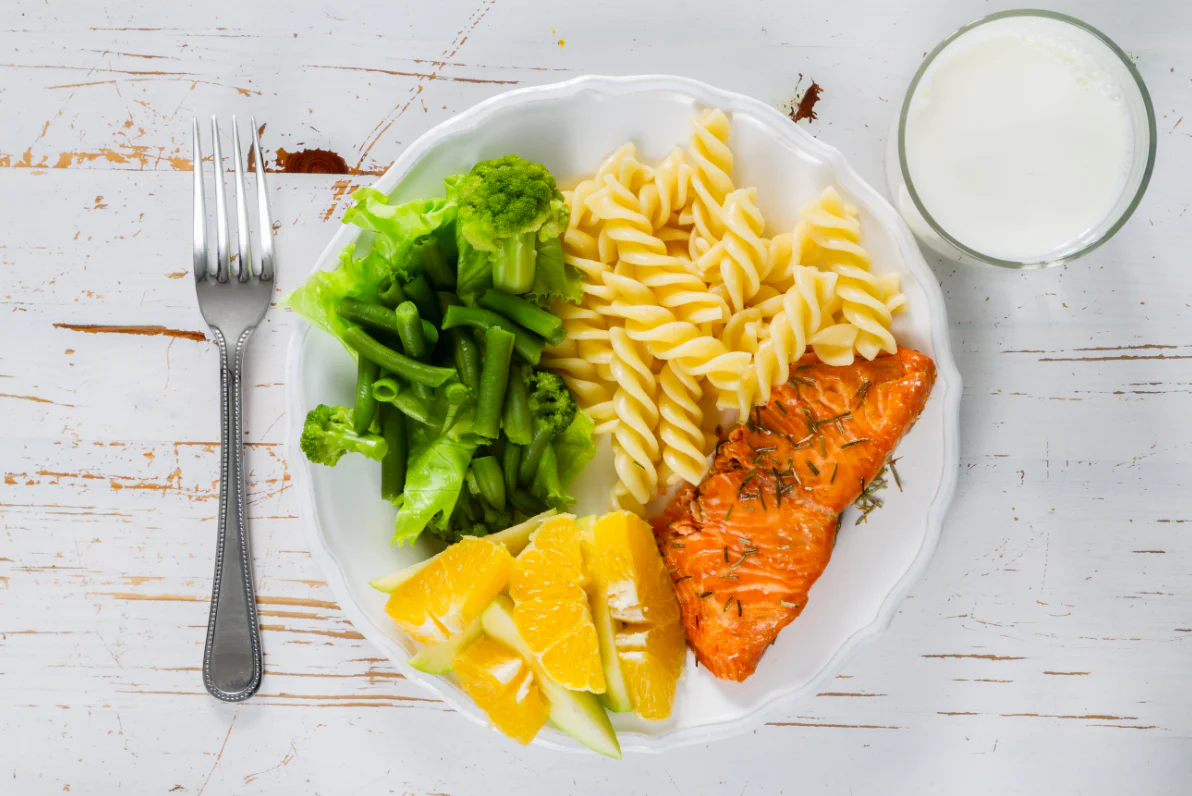
Portions don’t have to require measuring cups and scales. Visual cues ensure simplicity and consistency:
- Protein: The size of your palm (e.g., chicken or tofu).
- Carbohydrates: A cupped handful (e.g., rice or pasta).
- Fats: The tip of your thumb (e.g., nut butter or olive oil).
- Vegetables: Two open hands (e.g., broccoli or salad greens).
Pre-Portion Your Meals
Divide large dishes into single-serving containers to avoid overeating. For example:
- Make a week’s worth of lunches by dividing a large batch of stir-fry into individual containers.
- Use smaller plates or bowls to trick your brain into feeling fuller with smaller portions.
Be Mindful of Packaged Foods
Portion out snacks (like chips or nuts) into small bags instead of eating directly from the package. Most serving sizes are smaller than we think!
Tips for Eating Out While Maintaining Portion Control
Dining out doesn’t have to derail your efforts. Restaurants often serve portions far larger than what you need, but a few strategies can help you stay on track.
Key Strategies:
- Split Your Meal: Share an entrée with a friend, or immediately portion half into a to-go box.
- Skip the Extras: Politely decline the bread basket or endless chips to prevent mindless munching.
- Plan Ahead: Look up the menu online and choose healthier, portion-conscious options before arriving.
Simple pre-planning can transform your dining-out experience into one that aligns with your health goals.
The Role of Mindful Eating in Portion Control
Mindful eating is an essential practice for effectively controlling portions. By paying close attention to your body’s hunger and fullness signals, you can prevent overeating and develop a healthier relationship with food.
Tips for Practicing Mindful Eating:
- Eat Slowly: Take small bites, chew thoroughly, and savor your food. It takes about 20 minutes for your brain to signal fullness.
- Eliminate Distractions: Turn off the TV and put your phone away to focus on your meal.
- Check in With Yourself: Pause midway through your meal and ask, “Am I still hungry, or am I eating out of habit?”
By cultivating mindfulness, you can transform your eating habits and support your portion control efforts.
Overcoming Challenges and Common Mistakes
Whether you’re just starting or trying to stick with portion control, a few hurdles may arise.
Common Challenges:
- Cravings: Manage them by indulging responsibly. For example, savor a small square of dark chocolate or a single cookie rather than skipping dessert entirely.
- Unrealistic Expectations: It’s okay not to get it perfect every time. Portion control is a skill that takes time to develop.
- Social Settings: Stay firm in group dining scenarios where larger portions may tempt you.
Adapt these tips to suit your lifestyle, and you’ll find portion control fits naturally into your routine.
Long-Term Benefits of Consistent Portion Control
Choosing smaller portions isn’t just a short-term approach; it’s a lifestyle change that offers long-lasting benefits:
- Better Health Outcomes: Steady blood sugar, improved heart health, and lower risk of chronic diseases.
- Sustainable Weight Management: A consistent approach prevents yo-yo dieting and fluctuations.
- Greater Enjoyment of Food: By eating just the right amount, each bite becomes more enjoyable and intentional.
By adopting portion control as a habit, you’re investing in a sustainable, healthier future.
Make Portion Control a Sustainable Habit
Mastering portion control doesn’t mean giving up the foods you love or relying on strict rules. It’s about balance, awareness, and enjoying food more intentionally. Start small by implementing one or two methods mentioned here, and build from there.
And remember, working with a dietitian or exploring tools like meal prep apps can make the process easier and more manageable.
Small adjustments in your approach to eating can create significant results for your overall health and well-being. Take control of your plate today!
FAQ
Q: Can I still eat my favorite foods while practicing portion control?
A: Absolutely! Moderation is key. Enjoy smaller portions of your favorite treats while balancing your plate with nutrient-dense foods.
Q: Do I need to track everything I eat to maintain portion control?
A: While tracking can help at first, visual cues and mindful eating are effective long-term strategies for managing portions.