Relaxing is no longer a luxury in a world that never stops moving. It’s a must. Today’s way of life often requires steady work, which leaves little time for real rest. But this mismatch costs us: more and more people are getting stress-related diseases like worry, sadness, tiredness, and even long-term health conditions. Luckily, there is a strong, natural way to help: calm techniques. If you do them regularly, they can change your mental and physical health, giving you more energy, a better mood, and a stronger, healthier body.
How Stress and Health Are Connected
Knowing what worry does to the body can help you understand how important it is to relax. In a state of “fight or flight,” your body releases chemicals like adrenaline and cortisol when you are worried. This method is good for short periods of time, but using it too much can weaken the immune system, make inflammation worse, mess up nutrition, and make memory worse. High blood pressure, heart disease, trouble sleeping, and mental health problems like sadness and worry are also made worse by stress.
On the other hand, relaxation techniques turn on the body’s “rest and digest” system. As a result, the heart rate slows down, blood pressure drops, and the body moves from “survival mode” to “healing mode.” In this state, the body heals itself, gets its energy back, and finds balance again.
Relaxation is good for your mental health
The brain and nerve system are directly affected by relaxation methods. They help ease the steady flow of ideas, cut down on ruminating, and improve the ability to control your emotions. This helps you deal with tough feelings like anger, sadness, or fear better. Relaxation exercises help you deal with stress better and handle problems better when you do them regularly.
Stress fills up the brain, making it harder to think clearly. It gets easier to make choices, and your memory and ability to focus get better. Relaxation exercises can help people with anxiety or sadness feel better by balancing out their brain chemistry and making them feel better generally. Mindfulness, meditation, and deep breathing can help you be more in the present moment and let go of fears about the past or the future.
Relaxation is good for your body
Relaxation has benefits on the body that go far beyond a calm mind. Inflammation levels go down when stress chemicals go down. This may help ease chronic pain, loosen up tense muscles, and make joints more flexible. Relaxing and deep breathing can also slow the heartbeat and improve blood flow, which is good for heart health.
Regular rest is very helpful for getting better sleep, which is often interrupted by worry. It gets easier to fall asleep, and the rest you get is better. When you sleep better, your immune system gets stronger, your body gets better, and you have more energy. Relaxation methods can also help digestion by relaxing the gut and keeping the gut-brain axis in balance. This is an important system for both physical and mental health.
Frequently Used Methods for Relaxation
For many, relaxing means doing nothing more than sitting down or watching TV. But to really relax, you need to do things on purpose that calm your mind and body. Deep breathing is one of the best known techniques. When you slow your breath, you tell your nervous system that you are safe. You can use techniques like the 4-7-8 method or belly breathing at any time and any place.
Another good method is progressive muscle relaxation, in which you consciously tighten and relax groups of muscles to ease stress and become more aware of your body. People who are constantly stressed or who have trouble sleeping will benefit the most from this exercise.
Focusing on the present moment is a part of both meditation and awareness. This can be done by noticing the breath or other simple things. These habits help clear your mind and make you more calm, clear-headed, and self-aware.
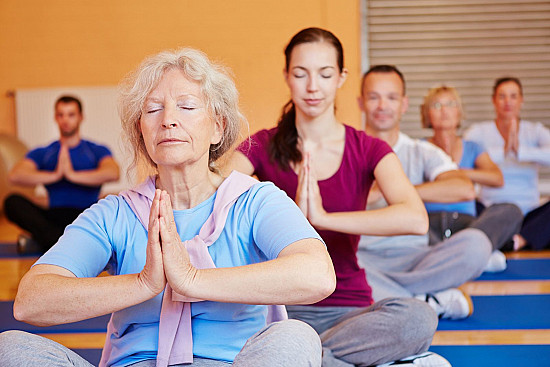
One of the best ways to relax is to do yoga, which includes breath, movement, and awareness. Besides making the body stronger and more flexible, it also calms the nervous system, keeps hormones in balance, and makes posture and movement better.
When you visualize or use guided imagery, you imagine yourself in a calm place, like a beach or forest. This not only takes your mind off of your worry, but it also makes you feel safe and at ease, which relaxes your body.
Adding relaxation to your daily routine
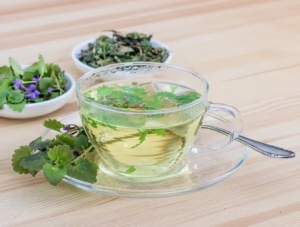
Relaxing doesn’t take a lot of time; you just need to do it regularly. Over time, small habits that are done regularly can have a big impact. Start by doing something like deep breathing, stretching, or being aware every day for 10 to 15 minutes. Take small breaks at work to go outside, stretch, or think about how thankful you are. One way to be aware is to drink tea in silence.
Relaxation techniques that get the body ready for sleep are best done right before bed. It can help you fall asleep and stay asleep if you do easy things like turn off screens, dim the lights, practice deep breathing, or listen to relaxing music every night.
You need to figure out what works best for you. Some people like to relax by moving, like in yoga or walking meditation. Others like to be still, like when they listen to guided meditations or soak in a warm bath. It’s not perfection that matters, but being present and having a plan.
The Long-Term Effects of Regularly Calming Down
Over time, it becomes clear that rest has a cumulative effect. Your immune system gets stronger, your gut gets better, and you have fewer stress headaches, stomach problems, and aches. Your energy levels stay the same and your sleep gets better.
Mentally, you get better at controlling your emotions, being strong, and dealing with stress in a way that doesn’t overwhelm you. Making rest a normal part of their lives has helped a lot of people feel better about themselves and give them a stronger sense of purpose. A calmer mind also helps relationships because it makes people more thoughtful and caring when they talk to each other.
Helping you relax with healthy habits for living
Relaxation techniques work well on their own, but they work even better when you also live a healthy life. Eating well, exercising regularly, and following good sleep habits can all help your body relax and heal itself. To lower stress and improve balance, you can also avoid stimulants like coffee in the evening, set limits on technology use, and stay in touch with friends and family.
Getting enough water, spending time in outdoors, and even artistic activities like drawing or music playing can help you relax. You’ll feel better in every part of your life the more your daily habits are in line with a sense of calm and presence.
In conclusion
Relaxing is more than just a break from worry; it can lead to better health, more rest, and mental peace. In a society that values being busy, taking some time to unwind is brave and good for you. Relaxation techniques, like deep breathing, meditation, exercise, or just being still for a moment, help you connect with your body and mind again.
Making time to relax every day can help you feel less stressed, sleep better, boost your immune system, and make room for happiness and focus. A single deep breath is all it takes to use one of the easiest and most powerful tools you can find.
Frequently Asked Questions (FAQ)
What are relaxation practices?
Relaxation practices are intentional techniques that calm the body and mind. These include deep breathing, meditation, progressive muscle relaxation, yoga, guided imagery, and mindfulness. Their purpose is to reduce stress and promote physical and mental well-being.
How do relaxation practices affect mental health?
They help reduce anxiety, improve focus, support emotional regulation, and increase resilience. Regular practice can lead to a calmer, more balanced mood and improved mental clarity.
Can relaxation really improve physical health too?
Yes. Relaxation lowers stress hormones, reduces inflammation, improves digestion, boosts immunity, and supports better sleep. It also helps with managing conditions like high blood pressure, chronic pain, and headaches.
How often should I practice relaxation techniques?
Consistency is key. Even just 10–15 minutes daily can offer noticeable benefits. The more regularly you practice, the more effectively your body and mind respond to stress.
Do I need any equipment or apps to get started?
No. Many techniques like breathing exercises or mindfulness meditation require no equipment at all. However, apps like Calm, Insight Timer, or Headspace can provide helpful guidance for beginners.
What’s the best time of day to do relaxation practices?
Any time is beneficial, but mornings can help set a peaceful tone for the day, while evenings are great for winding down and preparing for sleep. Choose what fits best with your routine.
Is it normal to get distracted during meditation or breathing exercises?
Yes. It’s completely normal for your mind to wander. The practice is not about eliminating thoughts but gently guiding your focus back when you notice it drifting.
Are there side effects of relaxation techniques?
Relaxation practices are generally safe. In rare cases, people with severe anxiety or trauma may initially feel discomfort. In such cases, it’s helpful to start slowly or work with a trained professional.
Can relaxation techniques replace medication or therapy?
While relaxation supports healing, it should not replace medical treatment or therapy without professional guidance. It’s best used as a complementary tool alongside other health strategies.
How long does it take to notice the benefits?
Some people feel calmer after just one session. For deeper benefits—like better sleep, reduced anxiety, or improved focus—consistent practice over a few weeks often yields the best results.