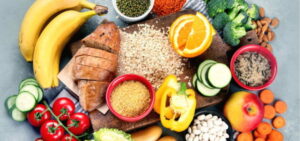

Foods rich in nutrition come from whole, unprocessed ingredients; however, busy lifestyles often force us to depend on pre-packaged products. Learning how to read nutrition labels will enable healthier choices to be made.
Food labels can assist you in finding nutritious foods, and avoiding those high in saturated fat, sodium and added sugars. They also allow you to understand claims like low-fat or reduced-sugar options or that indicate good sources of certain nutrients.
Calories
Navigating food aisles can be challenging when trying to make healthier choices, so taking note of nutrition labels will help you determine the products most beneficial to your wellbeing.
Before eating any product, the first thing you should consider is its serving size and the total number of servings per container. This will enable you to better gauge how much you should consume of it – one serving refers to any amount that fits onto a spoon or into a cup – one small bag of chips may appear as one serving, but by eating the entire bag you could easily have consumed two and doubled up on calories!
Next, review your total fat and saturated fat consumption. Aim to decrease both trans and saturated fat consumption. Also keep an eye out for any added sugars present; natural sources include fruits and dairy products while additional added sugars come from food production processes.
Nutrition Facts labels provide important information on sodium consumption. Too much sodium intake can lead to high blood pressure; look for foods low in sodium content while avoiding those that contain more.
Serving Size
Determining the appropriate portion sizes when it comes to meals or on-the-go eating can be tricky. Many individuals accidentally end up eating more calories than intended, which can lead to weight gain and nutritional deficiencies. To aid with this task, Nutrition Facts labels list serving sizes for most foods.
Food manufacturers employ various measures to define serving sizes, such as volume (one cup), weight (eight ounces) or units such as one slice or cookie. Some packages also list the number of servings per container – it is wise to verify this number. Ultimately, however, the serving size listed on a food package might not correspond to recommended serving amounts; always refer to “Servings Per Container”.
Portions can also be determined by reviewing the ingredients on a label, with ingredients listed according to their amount; typically, with the most abundant one first. A longer ingredient list could indicate higher calories or lower nutrition; when searching for foods with three whole food ingredients as their first three components and limited amounts of added sugars or refined grains being present as main constituents, being knowledgeable of how to read Nutrition Facts labels is crucial step towards healthy eating.
Percent Daily Values (% DV)
Percent Daily Values on nutrition labels serve to illustrate how much of each nutrient there is in one serving of food. For instance, a product with 5% DV for fat indicates that one serving contributes 5% of what you should be getting daily (based on a 2,000-calorie diet). These values provide an easy way for comparing various products against each other as well as showing where different items fit into an overall healthy lifestyle diet plan.
% Daily Values are calculated with general diet requirements in mind; however, your individual nutritional requirements may exceed or fall below this figure. Use food label information to meet your daily nutrient needs — choose products with more of the nutrients you require while less of those such as saturated fat and sodium that you wish to restrict.
When comparing products, look for those that feature similar serving sizes and % Daily Values to make a fair comparison. Protein does not appear on nutrition fact labels; therefore use grams per serving as the comparator instead. Also note that sugars listed on nutrition facts labels include both natural and added varieties – it is essential that these distinctions be noted as they have direct ramifications on health.
Sodium
Most Americans consume too much sodium, leading to increased blood pressure. According to the Dietary Guidelines, adults should consume no more than 2.3 grams per day — roughly equivalent to 1 teaspoon of table salt– from processed food sources like canned vegetables, cold cuts and cured meats, bread/rolls/pizza/frozen entrees/soups as well as snacks like chips pretzels popcorn etc. To decrease sodium consumption choose products labeled unsalted, no salt added, reduced sodium or low sodium when purchasing these processed products as these will likely contain less salt content; similarly rinse or drain canned vegetables before consumption for better results! Additionally rinse/drain canned vegetables before consumption in order to reduce sodium content as this will help.
Food manufacturers typically make nutritional claims on product packaging to describe its health benefits, and these claims must meet certain FDA criteria before being displayed on store shelves. Common examples of nutrient claims are low or reduced fat, sugar-free, high fiber content and being an excellent source of essential vitamins and minerals.
Navigating the grocery aisles can be daunting when trying to make healthier choices for your family. This video can help you decipher nutrition labels effortlessly so that you can shop with confidence when selecting packaged foods and beverages for them.