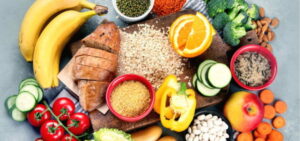

Nutritious food choices are key for overall health and wellbeing. Leafy greens offer vital vitamins and minerals; berries provide antioxidants; eggs contain protein and Vitamin B12; fish provides omega-3 fatty acids and calcium while lean meats and beans offer iron, zinc, and protein content.
Dieting should include foods rich in essential nutrients daily without excessive calories or unhealthy fats. Here are the Top Nutrient-Rich Foods You Should Incorporating Into Your Diet Every Day:
1. Avocados
Avocados are an excellent source of healthy fats, fiber and numerous vitamins and minerals. They’re an especially excellent way to maintain weight control as the combination of fat and fiber promotes feelings of fullness while simultaneously cutting total calorie consumption. Their prebiotic fiber also feeds gut-friendly bacteria – one medium avocado contains 13.5 grams, nearly half the daily recommended value!
Botanically speaking, avocados are considered berries. As such, they’re an excellent source of heart-healthy monounsaturated fats as well as potassium, B vitamins (such as C and folate) soluble fiber and carotenoids – not to mention some carotenoids!
Add avocados into your diet easily by including them as part of salad or sandwich toppings, spreading guacamole on toast with smoked salmon or poached eggs atop, or even by adding diced avocado to smoothies for additional nutrient density.
2. Berries
Berry-rich foods are one of the top food sources for disease-fighting nutrients. Eating one cup of berries each day helps meet your vitamin C, folic acid and fiber requirements while simultaneously decreasing your risk for cardiovascular disease and cancer.
While all berries offer health advantages, each type offers something specific. Strawberries shine in terms of vitamin C content while blackberries provide immunity-enhancing vitamins and minerals, Cranberries aid urinary tract health while blueberries offer brain-enhancing antioxidants. When selecting your berry variety make sure it’s organic to avoid pesticide exposure while eating whole versus drinking juice as this has more sugar (and often even more fructose!) without providing fiber or phytonutrients!
Berry consumption provides many essential vitamins and nutrients, including potassium, magnesium and vitamins C and K. Berries also contain prebiotics which support healthy gut bacteria. Furthermore, according to a recent BMJ study people who consume foods rich in anthocyanins such as blueberries and strawberries three times each week experience decreased weight and lower risk of Type 2 diabetes.
3. Black Beans
Black beans are an ideal legume choice for anyone following a plant-based diet, as they contain plenty of protein, fiber and complex carbs – not to mention important micronutrients like iron, folate and phosphorus! Black beans can easily be integrated into many recipes like tacos, burritos or chili or served alongside meat or poultry dishes for an enjoyable side dish experience.
Beans hold a unique place in the food pyramid as both protein and complex carbohydrate sources, providing one half-cup serving with ample amounts of both. As such, beans make an ideal meal or snack option for anyone needing to manage prediabetes, diabetes, cholesterol or blood pressure issues, and maintain weight without eating too many calories between meals.
La Preferida brand black beans were somewhat pricey at $5.99 for an entire tin, yet their sodium content is significantly less than other brands I’ve tried such as Westbrae Natural and Full Circle Market.
4. Lean Meats and Proteins
Protein is a critical part of a balanced diet. Lean meats (those containing less than 10 grams of total fat, 4.5 grams or less of saturated fat, and 95 milligrams or less of cholesterol per 100 grams), skinless poultry, fish, beans and nuts are great sources of lean proteins that also provide fiber, vitamin A, iron and calcium as noted by Praamsma.
Consuming too much red meat or high-fat processed meats can increase cholesterol levels in your blood, increasing your risk of heart disease. Aim to limit red meat to twice weekly; chicken, turkey or pork would make great alternatives.
Plant-based sources of protein like soybeans (tofu and tempeh), garbanzo beans, lentils and other legumes make excellent choices for protein intake. Try cooking these items into soup, adding them to salads or including them in stir fries. Edamame, small soybeans packed with proteins found frozen or canned and featuring flavors such as ranch, wasabi or buffalo can also make great snacks; other tasty choices include roasted walnuts or handful of peanuts or almonds for snacking on. It is best to combine these nutritional sources with vegetables and whole grains when creating balanced meals from these plant sources!
5. Nuts and Seeds
Nuts and seeds are highly nutrient-dense foods, offering plentiful calories, fats (including healthy monounsaturated and polyunsaturated fats), complex carbohydrates, protein and fiber. Furthermore, nuts and seeds contain essential micronutrients like magnesium, selenium and zinc as well as phytochemicals like ellagic acid, flavonoids, phenolic compounds isoflavones and luteolin.
Although nuts and seeds are nutrient-rich foods, it’s important to remain mindful of portion sizes since they contain many calories. One ounce (28g) of nuts provides more than half the Recommended Dietary Allowance for fat, providing additional sources of dietary protein in one sitting.
Nuts have gained widespread attention for their heart-healthy benefits, including FDA’s claim that eating 1.5 ounces daily of nuts may reduce heart disease risk. Meanwhile, seeds remain mostly underrepresented; yet they’re extremely nutritious! Look out for seeds in foods like muesli, granola and LSA (Linseed Sunflower Almond) mix as well as cereals and snack bars; also try searching savory dishes or dips that contain seeds!